
 MY ACCOUNT
 STORAGE LEVELS
 WATER DATA
 ANNOUNCED ALLOCATIONS
Preparing for severe weather
If you live in or visit regional Queensland, it’s important to understand how heavy rain can affect your area, especially in the wet season.
Know your catchment
A catchment is an area where rainwater collects and flows into one place, like a river, lake or ocean. Every catchment is unique – some are small with lots of hills or mountains, while others are large and flat.
Heavy rain can cause rivers and creeks in a catchment to overflow. This can flood roads, train lines and residential areas.
Even if you live downstream of a dam, water may come from other creeks and streams within the catchment. This is why it’s important to know where and how water flows in your area.
Queensland councils provide flood maps that show where flooding may occur.
How do dams work?
A dam is a large wall built across a valley that captures and stores rainwater for farming, industry and community use.
Sunwater dams are not built to stop floods. Most are ‘fill and spill’ dams, which means once they are full, excess water flows over the top into the waterway below. We also have some gated dams, where we can open or close gates to control the amount of water being released, but these are also not designed to prevent flooding.
What happens in an emergency?
Sunwater has Emergency Action Plans (EAPs) for each of its referable storages. Referable means that if it failed, it could put two or more people living downstream at risk. These plans help us prepare for risks like floods or earthquakes and guide how we respond to keep people safe.
You can view the EAPs for Sunwater storages on the Queensland Government website.
We notify downstream residents and communities when our storages are spilling or releasing water. Our notifications are aligned with the Australian Warning System (AWS). The AWS is used across the country during emergencies such as bushfires, floods, cyclones and severe weather.
There are three warning levels:
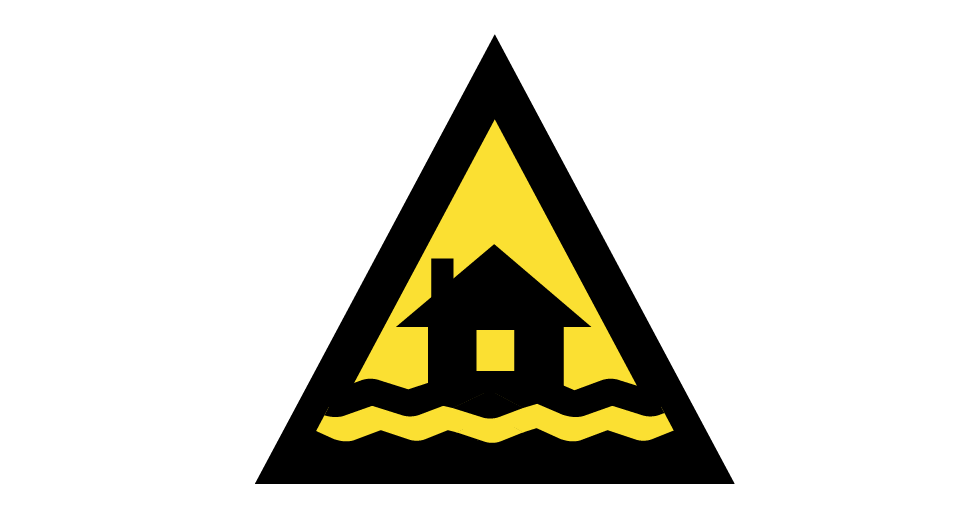
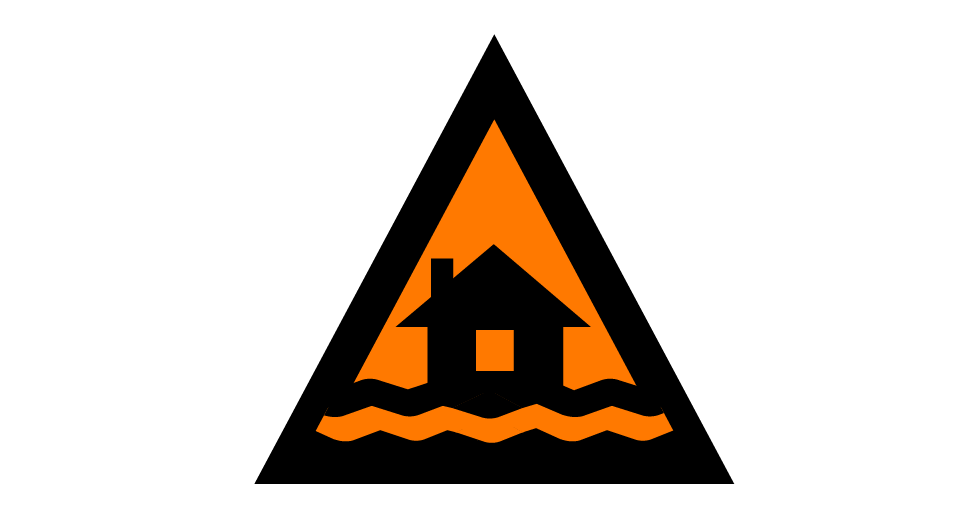
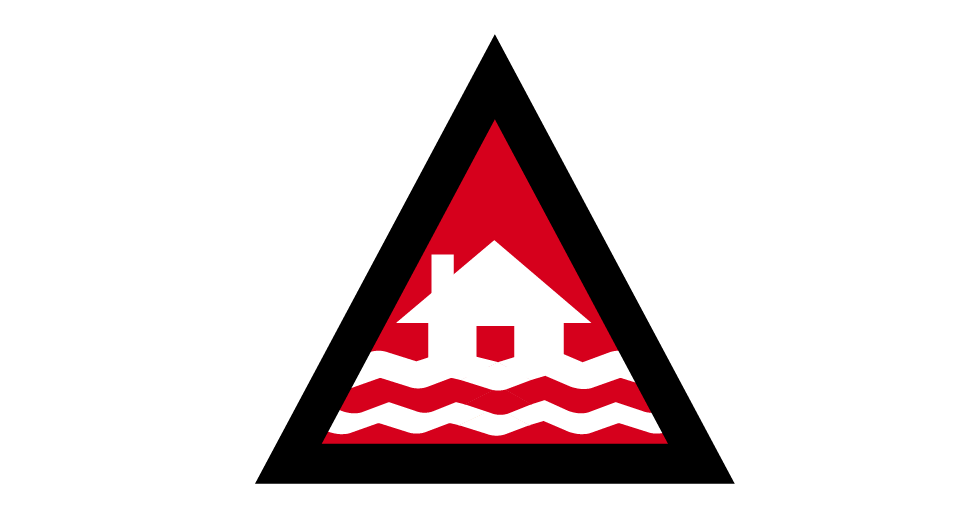
If you live within the hazard area outlined in an emergency action plan (EAP), we will text the mobile number you have given us. We also notify the broader community through the Sunwater app and our website.
If we issue an Emergency warning, Sunwater and the LDMG can also use the National Emergency Alert System to send a voice or text message. This service is managed by the State Disaster Coordination Centre.
Keeping your details up to date
Each year, Sunwater will text downstream residents listed in our EAPs to confirm they:
- are still living near one of our storages
- still want to be notified when that storage is spilling or releasing water.
You will need to click a link in the message to confirm.
To stop receiving SMS notifications, you can email community@sunwater.com.au. You can resubscribe at any time.
Sunwater collects and handles personal information in line with our Privacy Policy.
Emergency sirens
Sunwater has emergency sirens near our Callide, Coolmunda, Fairbairn, Kinchant, Paradise and Teemburra dams. These will be sounded only in the highly unlikely event of a dam failure. They support other emergency notifications from Sunwater and Local Disaster Management Groups.
Read more about our emergency sirens.
Prepare for the wet season
It’s important to be prepared for heavy rainfall during Queensland’s wet season – either intense downpours in a short period of time or long stretches of steady rain.
Ask yourself:
- Where will water come from?
- Has your property flooded before?
- Which rivers and creeks flood first?
Stay informed
Your Local Disaster Management Group (LDMG) coordinates the response during an emergency. LDMGs are run by local councils and include emergency services such as police and State Emergency Service. Sunwater provides updates to LDMGs when our dams are spilling.
Check:
- your local council’s disaster dashboard for updates on flooding, road closures and evacuation centres
- the Bureau of Meteorology website or app for rain forecasts and river and creek levels
- the Sunwater app for information about when your local dam is spilling or releasing water, and boat ramp or road closures.
Create your own emergency plan
Being prepared helps protect your family and property in an emergency.
Create an emergency plan for your family by visiting the Get Ready Queensland website. Their checklists will help you plan for what to do in a flood.